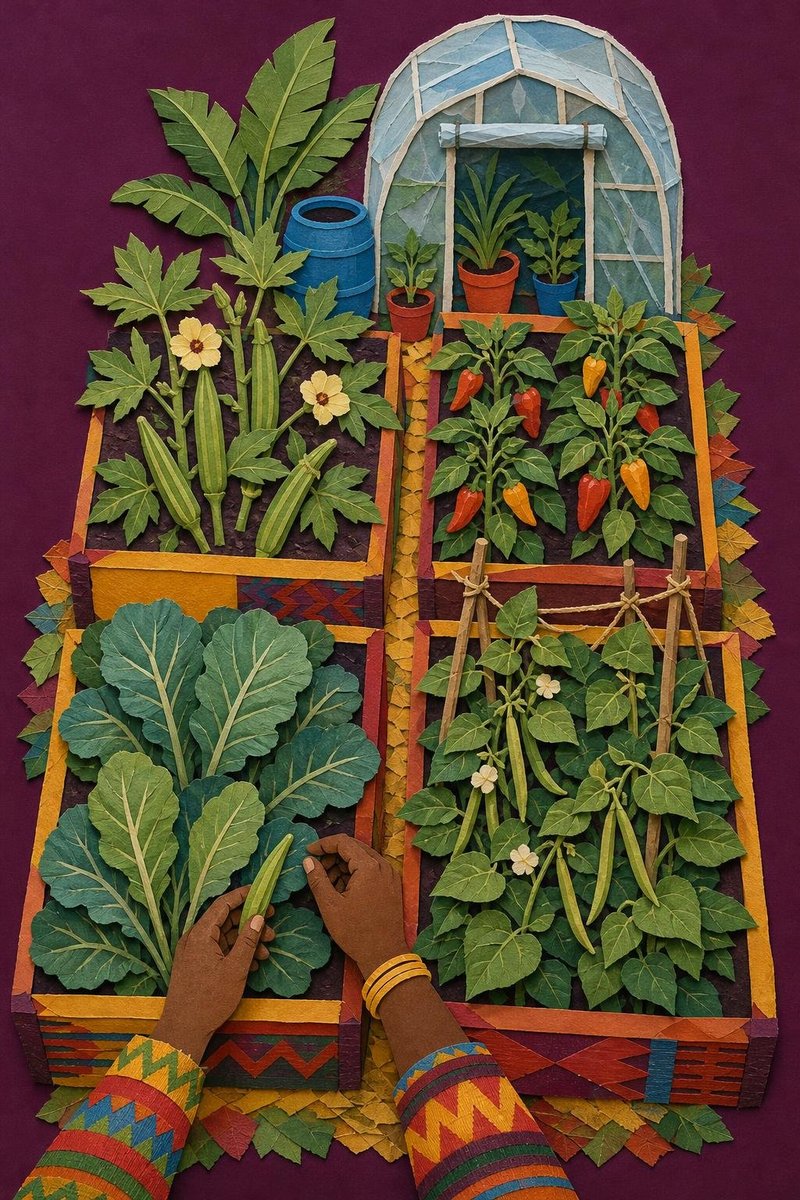
Culturally relevant food in Victoria: foodways, growing and food security
Culturally relevant food in Victoria means the dishes, crops and ingredients that African diaspora families on the island actually cook with, and the work of growing, finding and selling them here.
Seed & Story follows that food from the pot back to the field: where a stew or a bean comes from, what will grow in a cool Salish Sea summer, what research says about who goes without, and what a small food maker needs before the first market day.
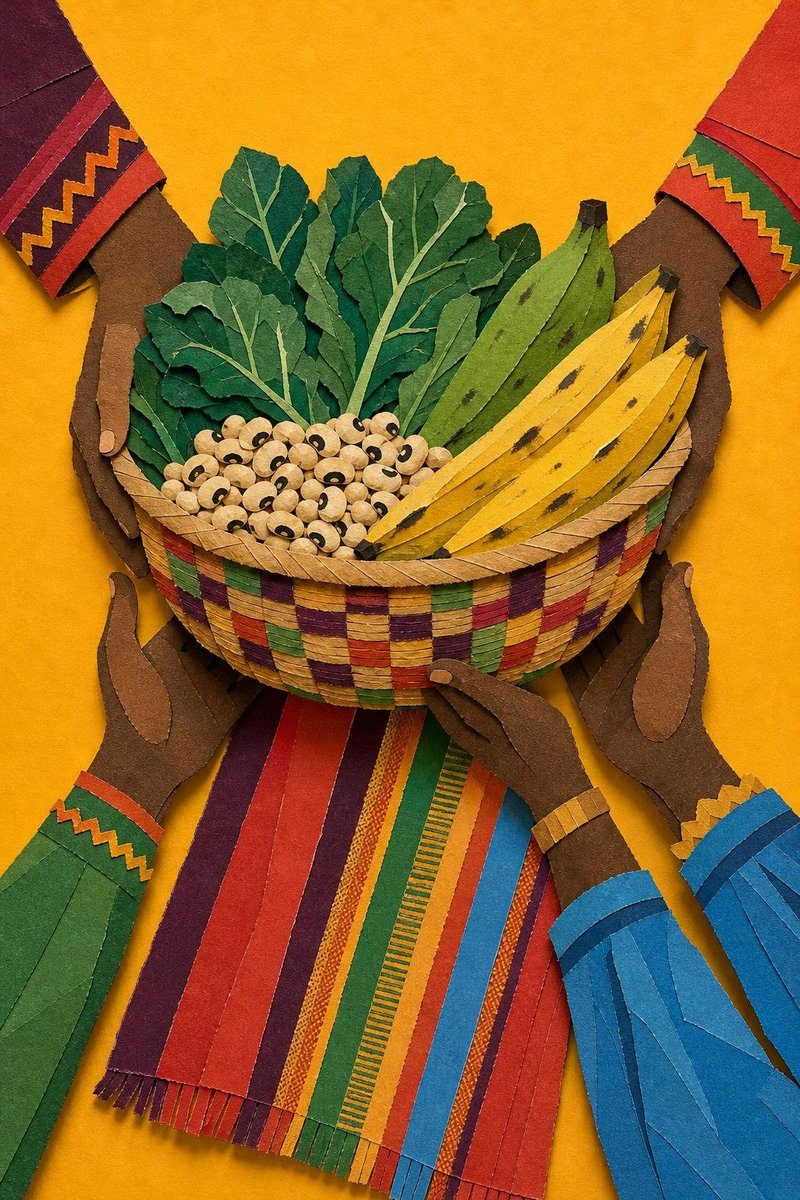
Caldosa: the Cuban stew and how to cook it for a crowd
Las Tunas origins, the song that spread it, and a recipe.
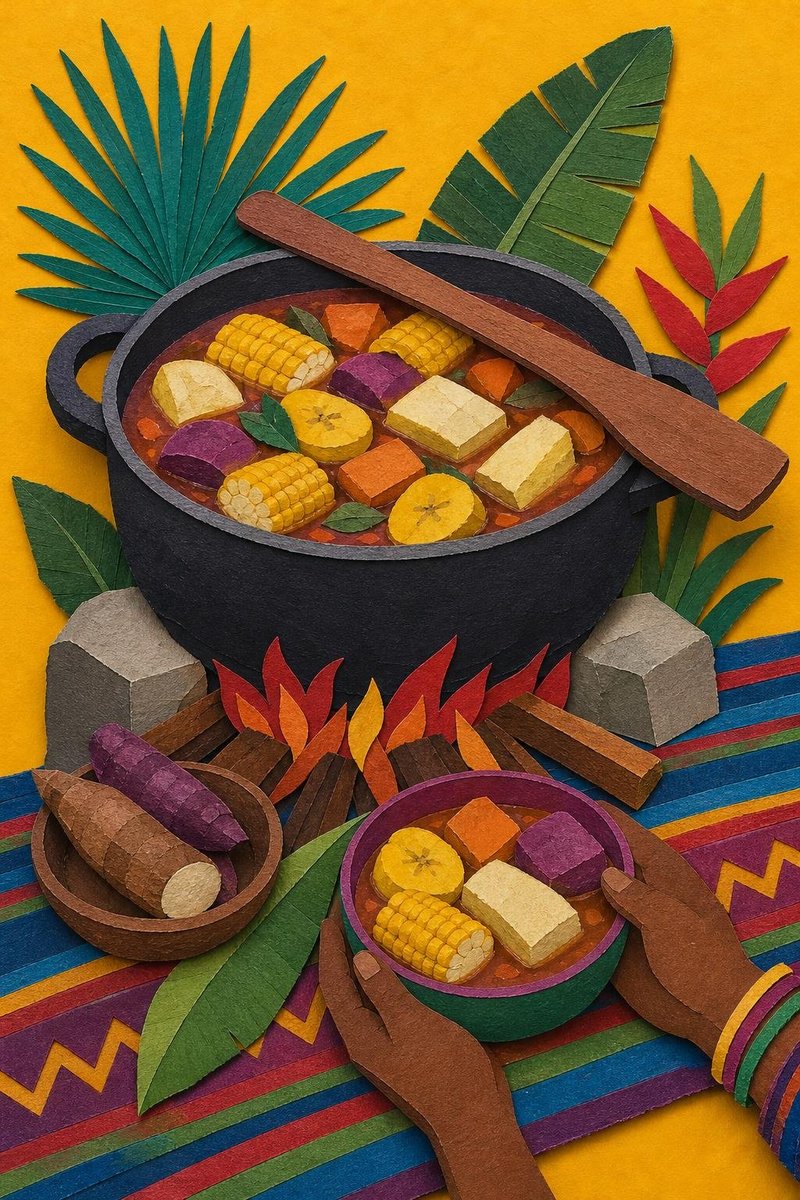
Palenque greens: African and Caribbean leaves for island gardens
Sowing, cutting and cooking four leaf crops in a Victoria garden.
The pounding is the part people remember, even when the machine has taken over.
Food insecurity in Black communities in Victoria: research after COVID-19
Food insecurity figures by year, and what local studies add.
Food makers resource guide: permits and licensing on Vancouver Island
Permits, courses, licences and labels, sorted by food risk.
Culturally relevant food in Victoria, from pot to plot
Ask someone who grew up in Lagos, Accra, Kingston or Santiago de Cuba what they miss most after moving to Victoria and the answer is rarely a restaurant. It is a texture, a smell, a green that wilts the right way. Culturally relevant food in Victoria starts there, with the ingredients that make a household's cooking its own, and with the plain question of whether those ingredients can be found, afforded or grown on an island at the edge of the Pacific.
This publication covers that question from four directions. Foodways tells the history behind dishes and ingredients: how black-eyed peas crossed the Atlantic, why a Cuban caldosa is cooked for a whole street, how fufu changes shape in a Canadian kitchen. Growing looks at what will actually grow here. Food Security follows the research on who goes without. Food Makers is practical: permits, kitchens, markets.
Growing diaspora crops on Vancouver Island
The southern tip of Vancouver Island has a long frost-free season by Canadian standards and some of the mildest winters in the country. It also has cool nights, dry summers and a sea that keeps July from getting truly hot. That mix favours leafy greens and punishes anything that needs steady warmth.
So the island garden splits in two. Collards, kale, amaranth and many other greens do well outdoors. Okra, cowpeas and hot peppers want a greenhouse or polytunnel, and even then they ripen late. Growers on the Saanich Peninsula and in the Cowichan Valley have spent years testing which varieties finish before the autumn rains, and the culturally relevant crops page collects what is known.
One point is easy to miss. A crop that grows well is not automatically a crop people want. The more useful starting point is the other way round: ask what families cook, then see what the land can do.
Food security and culturally relevant food
Food security, in the definition used by the United Nations Food and Agriculture Organization, includes food that meets people's "food preferences", not only their calorie needs. In practice that clause is the first thing dropped. Emergency food programs run on donated, shelf-stable staples, and those staples tend to follow the habits of the majority.
For African, Caribbean and other diaspora households in Greater Victoria, that means a second gap on top of the first. Even when a household has enough to eat, the food it has may not be food it can cook in the way it knows. Research on food insecurity in Black communities in Canada keeps returning to the same causes: income, housing costs, discrimination, and the price of familiar ingredients that arrive through long import chains.
Food security work in Victoria has started to answer with growers who plant on request, market coupon programs that make fresh produce cheaper, and community kitchens. None of it is large. Most of it depends on a few people who know both the food and the neighbourhood.
Small food makers and the market stall
The other side of culturally relevant food in Victoria is the person selling it: the cook with a pepper sauce people ask for by name, the baker of puff-puff, the grower with a bed of callaloo. Moving from a home kitchen to a market table runs through Island Health rules, municipal licences and labelling requirements that are not hard once laid out in order. The food makers resource guide sets those rules out in order. For the market table itself, with its applications, insurance and sampling rules, there is a separate piece on selling at farmers' markets.
The table below shows why a diaspora kitchen on this island ends up part garden and part import shop.
Diaspora staples and how they fare on the island
A working list of ingredients that come up again and again in African and Caribbean cooking in Victoria, where each one comes from, and whether a southern Vancouver Island garden can produce it.
| Crop or ingredient | Where it comes from | On southern Vancouver Island | Status |
|---|---|---|---|
| Collard greens | Mediterranean brassica, central to West African-rooted cooking in the American South | Outdoors from spring through winter, sweeter after a frost | Outdoor |
| Amaranth (callaloo) | Grown as a leafy green across West Africa and the Caribbean | Outdoors in the warmest weeks; start seedlings indoors | Outdoor, warm sites |
| Black-eyed peas (cowpeas) | Domesticated in Africa; a West African staple for millennia | Need sustained heat; a greenhouse or polytunnel gives the surest crop | Under cover |
| Okra | Africa | Greenhouse or polytunnel; outdoor plants rarely ripen pods | Under cover |
| Scotch bonnet peppers | Caribbean | Greenhouse, long season, start in late winter | Under cover |
| Plantain and cassava | Plantain from Southeast Asia, cassava from South America; both staples in West and Central Africa and the Caribbean | Not grown outdoors here; bought from importers and specialty grocers | Imported |
Questions about culturally relevant food in Victoria
What does culturally relevant food mean?
It is food that matches what a community knows how to cook and wants to eat: the grains, greens, peppers and cuts of meat behind its everyday dishes and its holidays. A food bank parcel of pasta and canned soup feeds a family, but if that family cooks with cassava, okra and black-eyed peas, the parcel misses the point. The term is used by food banks, farmers and researchers to describe that gap.
Where can you buy African and Caribbean ingredients in Victoria?
Mostly from small specialty and international grocers, some larger supermarkets with a world foods aisle, and seasonal growers at farmers' markets who plant greens such as amaranth and collards. Imported staples like plantain, yam, cassava flour and palm oil come through importers in Vancouver, so price and supply depend on that chain. Asking a grocer directly what they can order is often the fastest route.
Can you grow African and Caribbean crops on Vancouver Island?
Some, yes. Leafy greens such as collards and amaranth handle the island's summers, especially in sheltered, sunny beds. Heat lovers like okra, cowpeas and Scotch bonnet peppers usually need a greenhouse or polytunnel because nights stay cool well into June. Tropical staples such as plantain and cassava are not realistic outdoors and are bought imported.
Why does food security research look at Black communities separately?
Because national data keeps showing higher rates of household food insecurity among Black Canadians than among white Canadians, even at similar incomes in some studies. Looking at one group in its own right shows causes that averages hide, such as racism in hiring and housing, the cost of culturally familiar food, and the distance to stores that stock it.
What do small food makers need before selling in Victoria?
It depends on the food. Low-risk items such as many baked goods and jams can often be sold at farmers' markets without a health permit, while higher-risk foods need a permitted kitchen and approval from Island Health. Most makers also need a business licence from their municipality and clear labels. The food makers guide on this site walks through each step.
The history of black-eyed peas, from West Africa to New Year
From a Ghanaian rock shelter to a New Year's plate.
Culturally relevant crops: what grows on Vancouver Island
What grows outdoors here, what needs cover, what stays imported.